
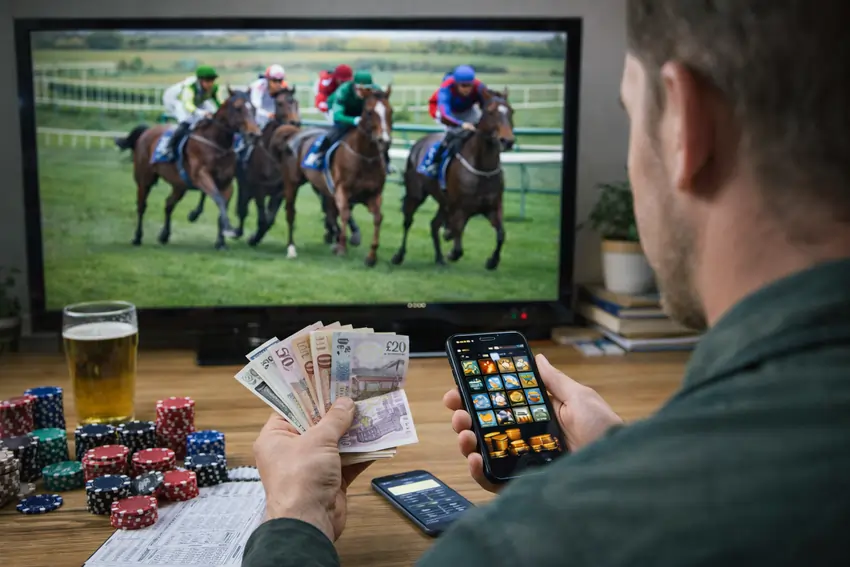
Walking into a racecourse with a pocket full of cash and no plan is the quickest way to end up at the train station earlier than expected. Most people focus entirely on the horses, digging through form guides and tracking Famous Racehorses to find a winner. While picking the right runner is part of the puzzle, managing your money is what actually keeps you in the game.
A bankroll isn’t just a pile of money. It is a tool. If you treat your wagering funds like a business asset, you stop making emotional decisions after a tough loss in the third race. Proper management ensures that a single bad afternoon doesn’t wipe out your entire season’s budget.
The Golden Rule of the Separate Pot
The first step is separating your racing bankroll from your daily living expenses. This sounds basic, but many fans skip it. Your rent, groceries, and utility money should never mix with your betting funds. If you have $500 set aside for the month, that is your total ceiling.
When you keep these funds separate, you remove the stress that leads to poor decision-making. You aren’t betting to pay a bill; you’re betting because you’ve allocated that specific amount for entertainment. This mental shift is what separates a disciplined fan from someone chasing losses in the final race of the day.
Determine Your Unit Size
Successful racing fans talk in units, not dollars. A unit is a fixed percentage of your total bankroll, usually between 1% and 3%. If your total bankroll is $1,000, a one-unit bet is exactly $10. This consistency protects you during a losing streak, which is an inevitable part of the sport.
You might feel tempted to double your bet size after a winner to “ride the wave.” Resisted that urge. Stick to your unit sizing regardless of how your last three bets turned out. If your bankroll grows significantly, you can recalculate what 2% looks like, but never do this mid-session.
Avoiding the Chasing Trap
Chasing losses is the fastest way to go broke. It usually happens in the late afternoon. You’ve lost three races in a row, and you decide to put a massive bet on the favorite in the last race just to get back to “even” for the day. This is a mathematical disaster.
Racing is unpredictable. A stumble at the start or a blocked path in the final furlong can ruin the best handicap. When you chase, you are essentially gambling on luck rather than value. If the bankroll for the day is gone, accept it and come back another time. There is always another race meeting tomorrow.
Diversifying Your Interests
While the track is the main event, many fans find that stepping away from the turf for a moment helps reset their focus. Some players enjoy exploring other forms of digital entertainment to break up a long day of handicapping. For those looking for a change of pace, pelifantticasino.com offers a different kind of experience during the off-season or between race days.
The key is applying the same bankroll discipline across every platform. Whether you are backing a longshot at Ascot or playing a hand of blackjack, the rules of percentage-based wagering remain the same. Discipline is a habit that carries over into every hobby you pursue.
Common Financial Mistakes at the Track
- Wagering on every single race just because you are bored. This thins your bankroll and forces you into bets where you have no edge.
- Ignoring the “Exacta” and “Trifecta” traps. These exotic bets offer huge payouts, but the high house take and low probability of winning eat through funds quickly.
- Using credit to fund a betting account. If the money isn’t currently sitting in your bank account, you cannot afford the bet.
- Failing to record results. If you don’t know exactly how much you’ve won or lost over 30 days, you aren’t managing a bankroll; you’re just guessing.
- Drinking too much while betting. Alcohol and financial discipline are famous enemies at the racecourse.
The Importance of Record Keeping
You cannot improve what you do not measure. Keep a simple spreadsheet or a notebook that tracks every bet you place. Include the horse’s name, the type of bet, the odds, the stake, and the outcome. After a few months, patterns will emerge.
You might find that you are incredibly profitable in sprints but lose money every time you bet on hurdles. Or perhaps you realize that your “value” bets on 10/1 shots are actually where you make your money, while your “safe” bets on favorites are draining you. This data allows you to refine your strategy and allocate your bankroll more effectively.
Managing your money isn’t about being boring. It is about staying in the game long enough to hit the big scores. When you treat your bankroll with respect, the highs of the sport are more enjoyable and the lows are much easier to handle.