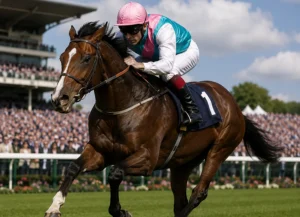

Horse racing is one of the oldest and most deeply rooted forms of gambling in British culture. From the royal meeting at Ascot to the drama of the Cheltenham Festival, the sport has captivated punters for centuries with its combination of athletic beauty, unpredictable outcomes and the genuine thrill of watching a famous racehorse push its limits in competition. Today, the betting landscape around horse racing has never been more accessible or more varied, with online platforms offering a depth and variety of markets that far exceeds anything available to the previous generation of punters. In this guide we walk through everything you need to know about horse racing betting, from the basics of how odds work to the strategies that experienced punters use to find value in the markets.
Understanding horse racing odds
Before you place a single bet on a racehorse, you need to understand how odds work and what they tell you. Odds in horse racing are expressed in fractional format in the UK, so you will see prices like 5/1, 7/2 or 11/4. The first number tells you how much you win for every unit of the second number that you stake. A bet of ten pounds at 5/1 returns sixty pounds: your fifty pound profit plus your ten pound stake returned.
Odds also express the implied probability of an outcome. A horse priced at evens, or 1/1, is implying a fifty percent chance of winning. A horse at 4/1 implies approximately a twenty percent chance of winning. Understanding this relationship between odds and probability is the foundation of all successful betting, because it allows you to identify when the bookmaker’s assessment of probability differs from your own in a way that creates betting value.
The different types of horse racing bets
Horse racing offers a wider variety of bet types than almost any other sport, and understanding the options available helps you match your betting approach to your risk appetite and knowledge level. The win bet is the most straightforward: you back a horse to finish first, and if it does, you collect your winnings at the advertised odds. The each way bet is a popular variation that splits your stake between a win bet and a place bet, meaning you collect a reduced return if your horse finishes in the top two, three or four places depending on the size of the field.
More complex bet types include forecast bets, where you predict the first and second place finishers in the correct order, and combination bets like doubles, trebles and accumulators that link multiple selections across different races. These bets offer the potential for much larger returns but require multiple correct predictions, which makes them significantly harder to win consistently. For newcomers, starting with straightforward win and each way bets and building experience before exploring more complex options is the recommended approach.
Famous racehorses and what they teach us about betting
The history of horse racing is populated with legendary animals whose careers offer genuine lessons for the modern bettor. Studying famous racehorses reveals patterns in how certain horses perform in specific conditions, over particular distances and on certain types of going that are directly applicable to betting decisions. A horse that dominated on soft ground throughout its career gives you valuable information about how to assess its successors in similar conditions.
The great champions of racing history also illustrate the importance of understanding pedigree. Certain bloodlines consistently produce horses with specific characteristics, whether that is exceptional speed over short distances, the stamina to excel over longer trips or the temperament to perform consistently in big race conditions. Britain’s most celebrated horse racing tracks have shaped the careers of the sport’s greatest horses over centuries, and understanding the unique demands of each venue gives punters the historical context they need to make more informed modern betting decisions.
How to find value in horse racing markets
Value betting is the concept that separates long-term profitable punters from those who simply back favourites and hope for the best. A value bet is one where you believe the true probability of a horse winning is higher than the odds suggest. If you assess a horse as having a thirty percent chance of winning but the bookmaker is offering odds that imply only a twenty percent chance, you have identified a value bet regardless of whether that horse actually wins the race.
Finding value requires doing your own analysis rather than simply following the market. Study the form of each runner in a race, paying attention to recent performances, the conditions those performances were achieved in and how those conditions compare to what is expected on race day. Consider the trainer and jockey statistics, particularly their strike rates in similar races and at similar tracks. And pay attention to market movements in the lead-up to a race, as significant money coming for a particular horse often indicates that those close to the horse have reason to be confident.
Online betting platforms for horse racing
The online betting landscape for horse racing has expanded dramatically in recent years, giving punters access to a wider range of markets, better odds and more competitive promotions than ever before. Choosing the right platform for your horse racing betting is an important decision that affects both the quality of your betting experience and the value you get for your money.
TrueLuck combines horse racing betting with a broad casino entertainment offering, making it a complete online gambling destination for punters who enjoy both the sport and other forms of gaming. When evaluating any betting platform, look for competitive odds on major races, a wide range of markets including exotic bets, reliable and fast payouts and a mobile experience that works well for in-play betting during race meetings.
Major UK horse racing festivals and betting opportunities
The UK horse racing calendar is structured around a series of major festivals that attract the biggest fields, the most media attention and the highest betting volumes of the year. Understanding the unique characteristics of each festival helps you prepare your betting strategy in advance and identify the races where your knowledge gives you the best opportunity to find value.
Cheltenham in March is the pinnacle of the jumps racing season, featuring four days of championship-level competition across hurdles and fences. The Cheltenham Festival is renowned for producing upsets at big prices, and the enormous betting market means that value can often be found among the less fancied runners in a field where public money pushes the favourites shorter than their true chance warrants. Royal Ascot in June is the flat racing equivalent, five days of Group race action that attracts the world’s best horses and produces some of the most fiercely contested betting markets of the flat season.
Managing your betting bank responsibly
No betting guide would be complete without addressing the importance of managing your betting bank responsibly. Horse racing is a sport where even the best-informed punters experience losing runs, and the key to long-term enjoyment is structuring your betting in a way that allows you to absorb those inevitable downturns without financial distress.
Establish a dedicated betting bank at the start of each season, separate from your everyday finances, and treat it as your total budget for horse racing betting over that period. Stake a consistent percentage of your bank on each bet rather than varying your stakes based on confidence or emotion. This approach, known as level staking or proportional staking depending on your preference, protects you from the common mistake of chasing losses with larger bets that can quickly deplete a betting bank.
If you ever feel that your betting is becoming difficult to control or is affecting other areas of your life, BeGambleAware provides confidential advice and practical support for anyone in the UK who has concerns about their gambling behaviour.
Conclusion
Horse racing betting rewards knowledge, patience and discipline in equal measure. Understanding how odds work, identifying value in the markets, studying the history of famous racehorses and managing your betting bank responsibly are all skills that develop over time and contribute to a more enjoyable and sustainable betting experience. The richness of horse racing as a betting medium, with its enormous variety of races, tracks, distances and conditions, means that the learning never stops and the opportunities to apply new knowledge never run out.