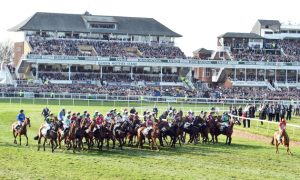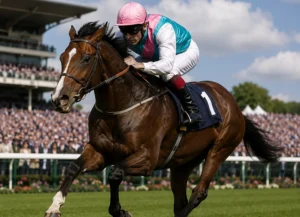

British horse racing is really two sports that share the same racecourses, the same betting shops and many of the same fans. Flat racing and National Hunt racing, often simply called the jumps, are known as the two codes. They differ in the horses they use, the distances they race over, the time of year they peak and the kind of hero they produce. If you have ever wondered why Frankel and Tiger Roll are both called great racehorses despite having almost nothing in common on the track, the answer lies in the difference between the codes.
No obstacles versus hurdles and fences
The most obvious difference is what stands between the start and the finish. Flat races are run with no obstacles at all, so they are a pure test of speed, stamina and racing tactics. National Hunt racing includes hurdle races, run over smaller, more flexible obstacles, and steeplechases, run over larger, fixed fences that demand careful, accurate jumping. There are also National Hunt flat races, known as bumpers, which are run without obstacles and give young jumps horses racing experience before they tackle hurdles.
Distances and the type of horse
Flat races range from sprints over five furlongs up to staying races over two miles and more. National Hunt races start at around two miles and go well beyond that, with the longest steeplechases testing stamina over a much greater distance. The horses differ too. Flat horses can race as two-year-olds, and the Classics, such as the 2,000 Guineas, the Derby and the St Leger, are for three-year-olds. Jumps horses usually start their careers later, often in point-to-points or bumpers, and many of them are geldings who stay in training for several seasons.
Different seasons and big festivals
The turf Flat season traditionally runs from spring to autumn, with highlights such as Royal Ascot in June and Glorious Goodwood in the summer, while all-weather tracks allow Flat racing all year round. The jumps season comes into its own in the autumn and winter, when softer ground suits horses jumping at speed. It builds towards the Cheltenham Festival in March and the Grand National at Aintree in April, the two meetings that dominate the jumps calendar.
Why jumps heroes stay around longer
One of the biggest differences is the shape of a racing career. The best Flat colts are extremely valuable as stallions, so they are often retired to stud after only two or three seasons. Frankel ran fourteen times over three seasons before he retired, which you can read about in our piece on Frankel’s unbeaten record. Jumps horses are usually geldings, so there is no stud career waiting for them, and the best of them return year after year. That is how horses such as Desert Orchid and Tiger Roll built such loyal followings: fans got to know them over many seasons.
What it means for racegoers and punters
The two codes also feel different to watch and to study. Flat races are often decided by pace, the draw and a turn of foot in the final furlong. In jump racing, a fall or a mistake at an obstacle can change everything, and jumping ability is as important as speed. Form needs to be read with that in mind, and in both codes any bet should be treated as entertainment within a budget you can afford.
Conclusion
Flat racing and National Hunt racing share a history, but they test horses in very different ways. One rewards speed and precocity over a few short seasons, the other rewards stamina, jumping and durability over many years. Knowing the difference makes every race easier to follow, whichever code you prefer.